A Journey into Ladakh: Trekking and Cultural Exploration
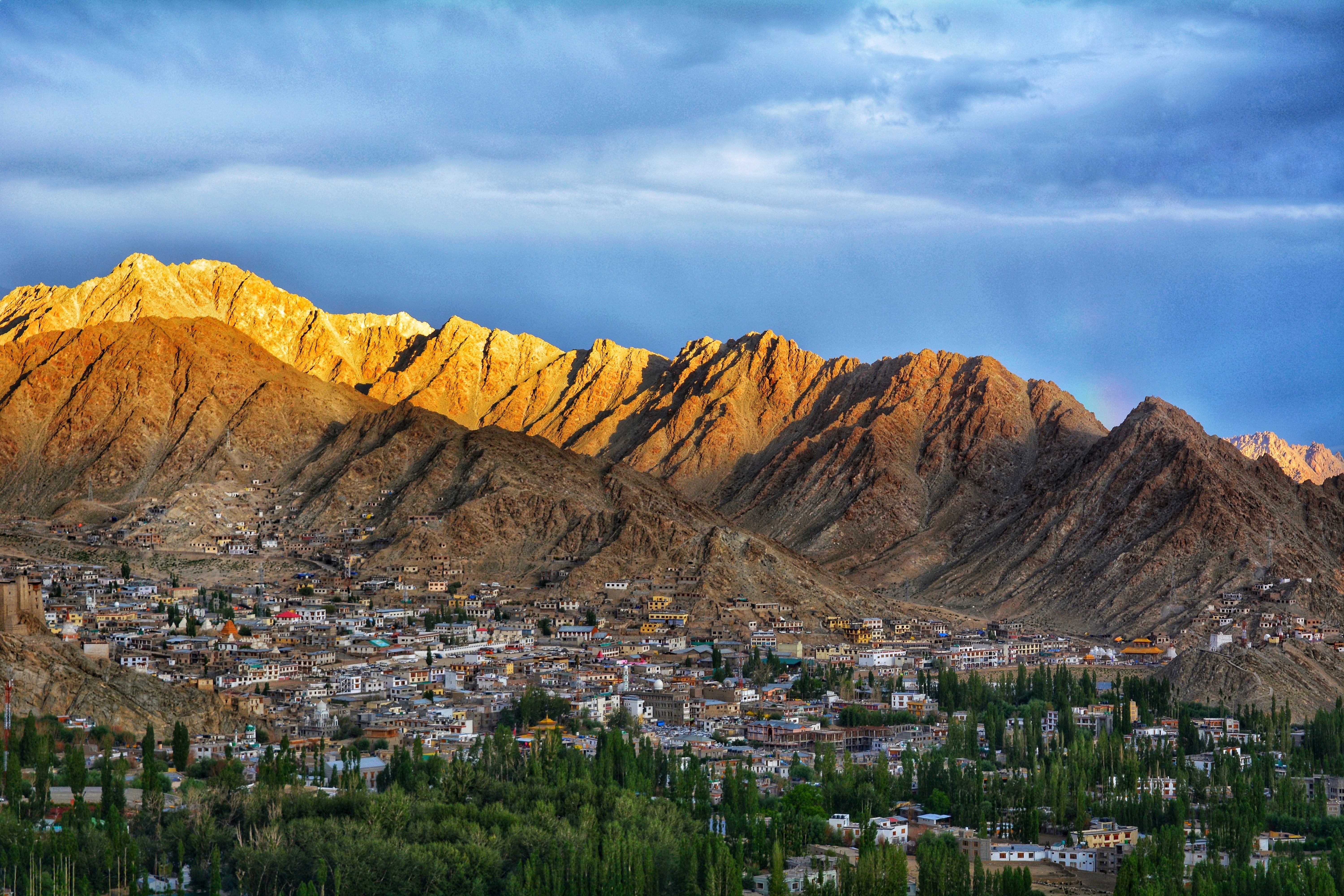
When the plane descends over the Indus valley, the first glimpse of Ladakh is unforgettable. The mountains rise bare and rugged, forming a striking backdrop to the high desert landscape. Between them, green oases appear where villages hold tightly to the riverbanks. The air is thin and clear, and the sky is a deep blue that seems almost unreal. For many travelers, this remote region in the far north of India marks the beginning of a journey that blends adventure with discovery.
Leh, the capital of Ladakh, is the gateway to the region. Its markets are full of stalls selling apricots, wool scarves and prayer wheels. Above the town stands the old palace, a reminder of Ladakh’s past as a kingdom between India and Tibet. From Leh, travelers set out toward high passes, remote lakes and valleys rich in culture.
Trekking

The Rumtse to Tso Moriri trek is considered one of the best treks in Ladakh. It begins near Leh, the capital and soon leaves the villages behind as the path enters the high valleys. The route is not technically difficult, but it is essential to be well acclimatized to the altitude.
The landscapes are immense. Nomads set up their black yak-hair tents in these highlands and moving with the seasons. Their flocks of sheep and goats spread over the valleys while yaks wander slowly, their long hair swinging with each step. Meeting them on the trail feels like stepping back into an ancient rhythm of life that has endured for centuries.
After days of walking, the trail leads to Tso Moriri, one of the most beautiful lakes of Ladakh. Its waters shine turquoise under the high sun, framed by snow peaks. At dawn, the surface reflects the mountains in a mirror of perfect stillness.
Cultural Side
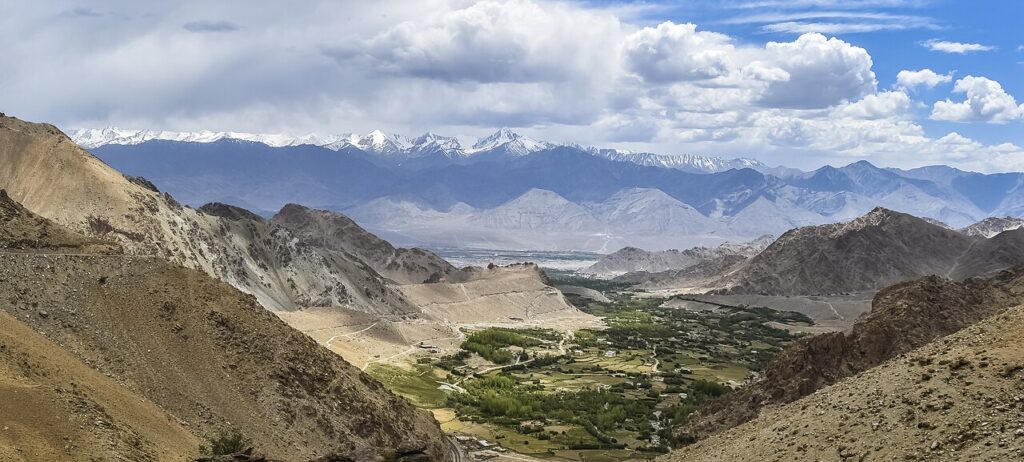
Ladakh is more than trekking. The region is also known for its culture. Monasteries stand high on cliffs with white walls against the rock. The halls of the monasteries are painted with murals and the sound of chanting monks surrounds the visitors.
A cultural tour often leads north to Nubra valley reached by the high Khardung La pass, the valley is a fertile stretch of land where apricot orchards and villages thrive between sand dunes. The double-humped camels of Nubra, descendants of the old caravan days, wander near Diskit and Hunder. Riding them across the dunes is a reminder of Ladakh’s position on the Silk Route. At the same time, monasteries such as Diskit offer sweeping views and moments of quiet reflection above the valley floor.
Conclusion
What makes Ladakh remarkable is the contrast between its wild nature and its deep culture. A day may begin with a steep climb across a desolate pass and end with butter tea shared in a village kitchen. The stark silence of the mountains is balanced by the warmth of people who welcome strangers with open hands.
The roads are long and often rough, the altitude demands slow adjustment, and the weather can change quickly. Yet these challenges are part of the experience. They make each moment of beauty more intense, whether it is the sudden flash of sunlight on a glacier or the sound of monks playing long horns at dawn.
Ladakh is not a place to be rushed. It invites travelers to slow down, breathe deeply, and let the silence of the mountains settle in. Whether through the challenge of trekking or the calm of cultural tours, the journey is one of discovery. Those who come here often find that Ladakh stays with them long after the return flight, as if a piece of the high Himalayas has taken root in their memory.
Ladakh Dairies! How To Sight An Elusive Snow Leopard? by Riccha Arora